If your washer starts throwing F21 codes and you can’t get it to run the diagnostic cycle, that is because the Motor Control Unit has eaten a solder connection. The diagnostic tree does not make it clear at all that the diagnostic cycle requires the MCU to function to actually complete the first test.
Now you know. The first test – the one in the spin cycle – requires the motor to turn over for the diagnostic cycle to move forward.
MHWZ600TW01 and company. They need that MCU to be working. Once I got that figured out….
Anyway, onward and upward with the washing of clothes. This washer may be 19 years old, but it works really well and is not that complicated or expensive to repair.
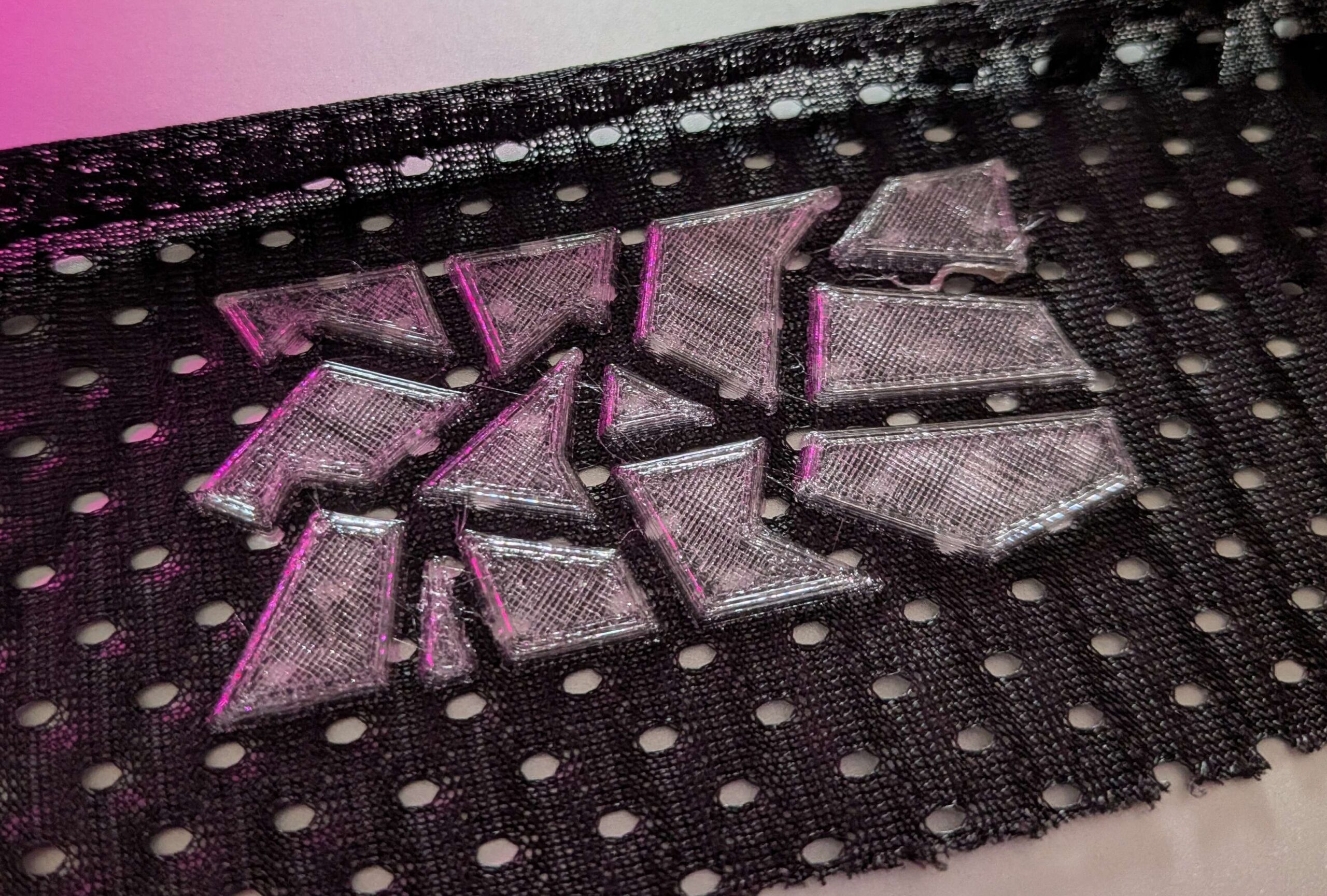
Athletic jersey knit with 95A TPU. Single layer down, pause, place fabric, and continue printing. It’s a little messy, but whatever. It works really well, with basically no effort on my part to make it special. Yay Prusa!
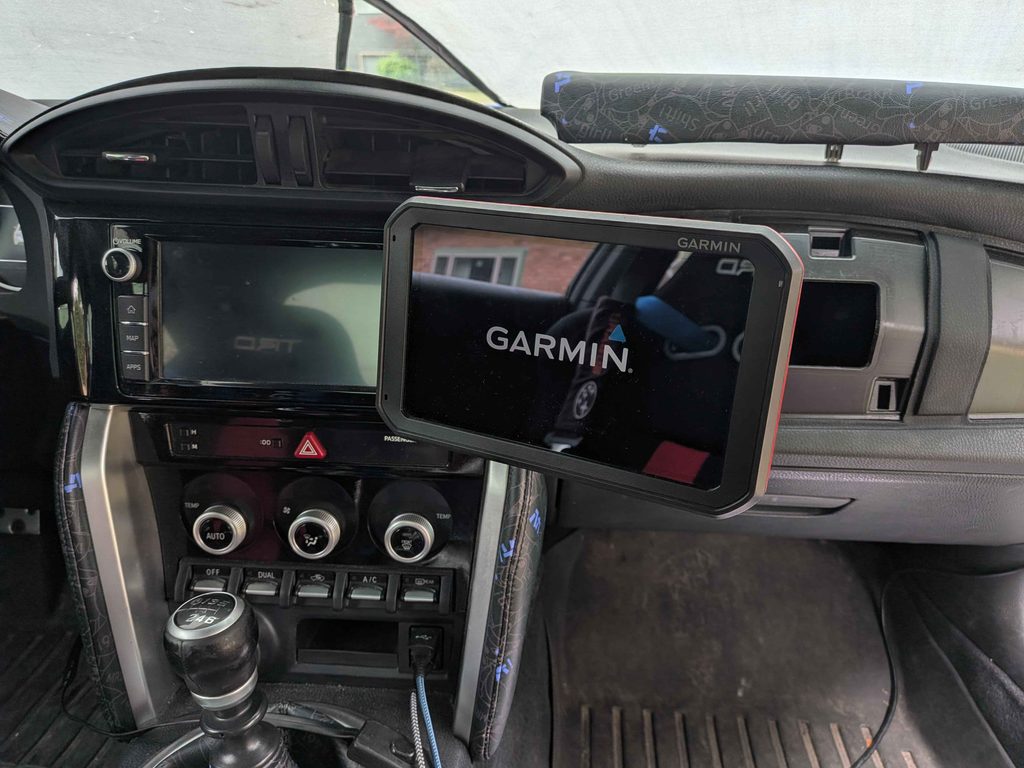
Mounting a Garmin Catalyst in your track car is often an exercise in futility because it is so heavy.
5H1F7Y, a local BRZ driver developed a mount that is solid, invisible (most of the time), and allows for wire-hiding. I upgraded it with hidden power.
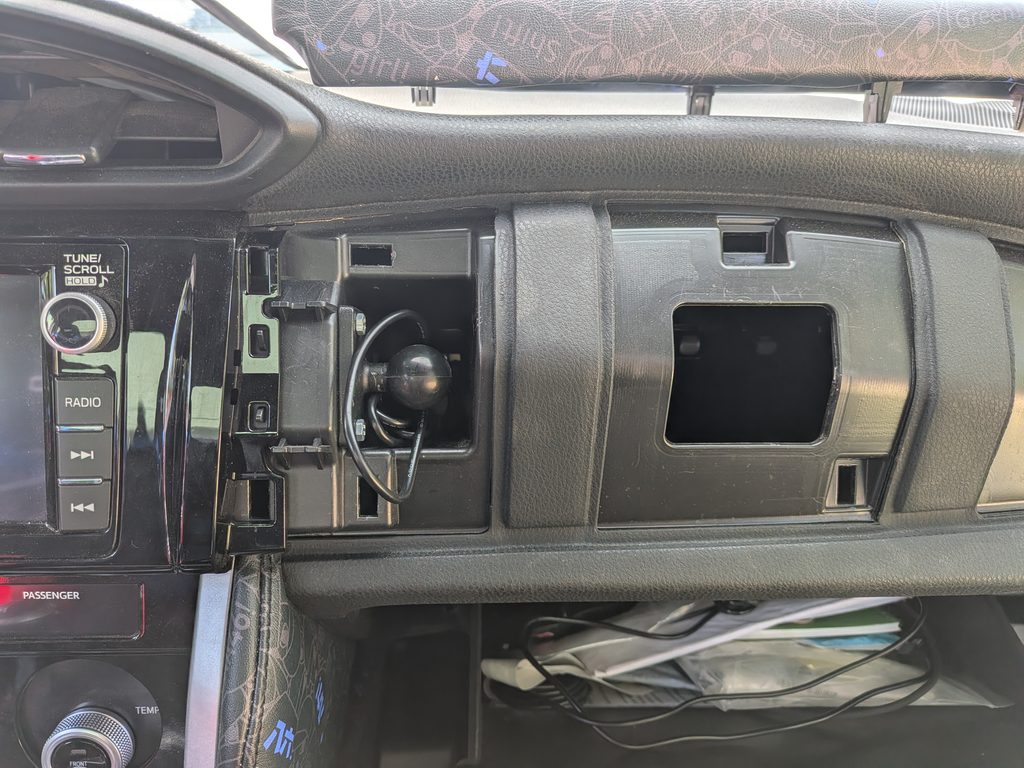
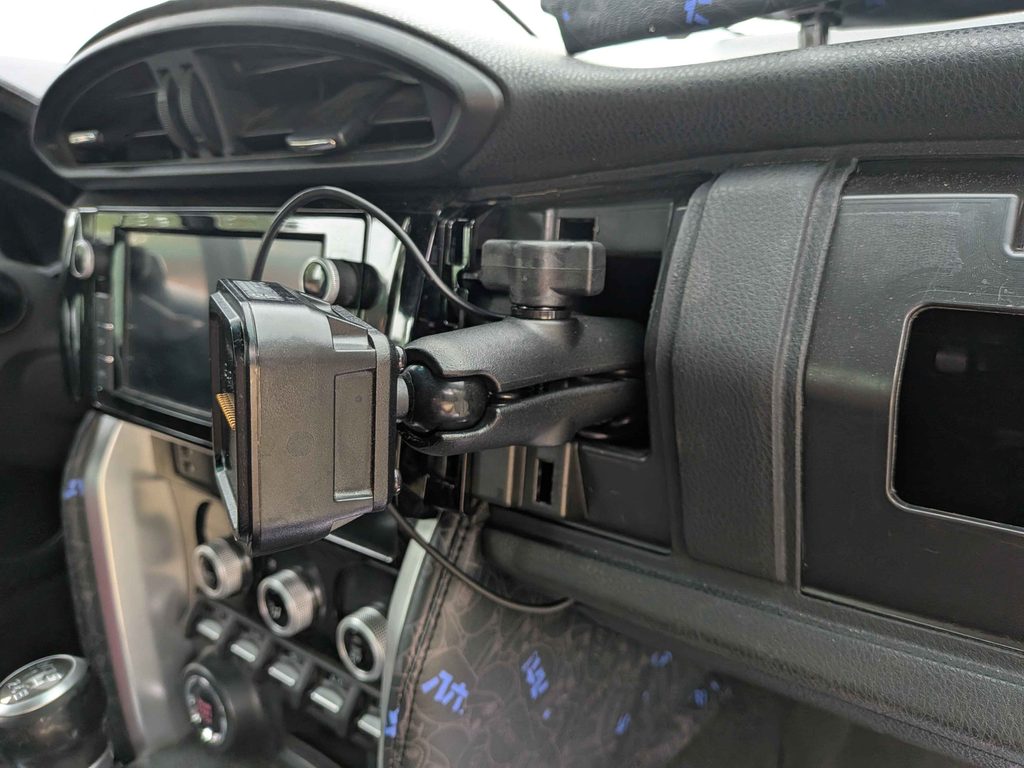
The mod starts with installation of a Ram ball behind the passenger dash trim panel. I am not going to pretend this is easy, and you have to take half the interior out, but it is not only possible, it works better than any other mount I have tried. You want to use nuts and backing washers on the back side of the plastic you are mounting to to ensure it stays put.
Then comes the wiring shenanigans. I spent way more time researching this than I needed to, but whatever. It’s done and now it’s documented for the future.
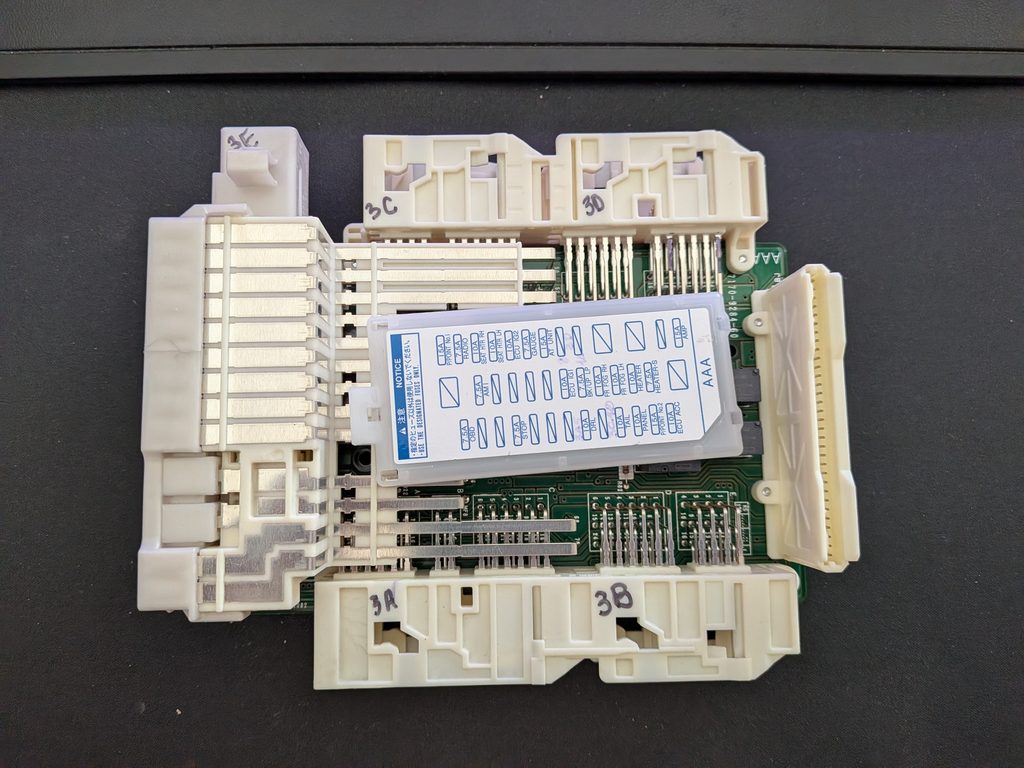
I started with the Zenki wiring diagram, which in hindsight would still have not been enough even if I could have figured out how to read it properly – this project required actually pinning out the fuse panel. The body integrated module or BIM is on the lower side of the driver’s side dash and brings all of the cabin power into a single blockset of terminals, relays, and fuses. The whole thing is broken up into one power input connector and four harness connectors. I wasn’t sure if the Kouki and Zenki modules would be the same (yay Denso hardcoding), so I grabbed a year-specific one off ebay for $30 and pinned it out. It is identical. I confirmed that 4 pins are definitely available for powering accessories – two on rail power and two on switched power. Because the Catalyst will drain its battery in a hurry at the track if you leave it on between sessions, I opted for battery power.
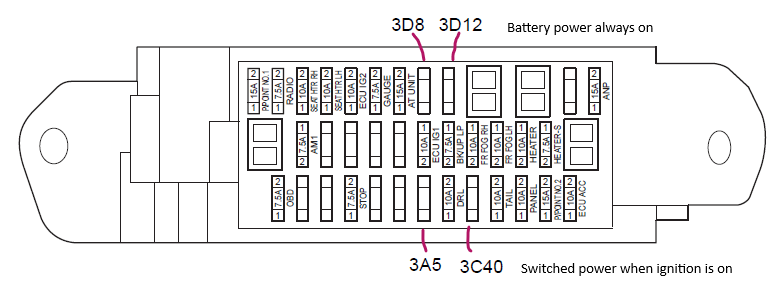
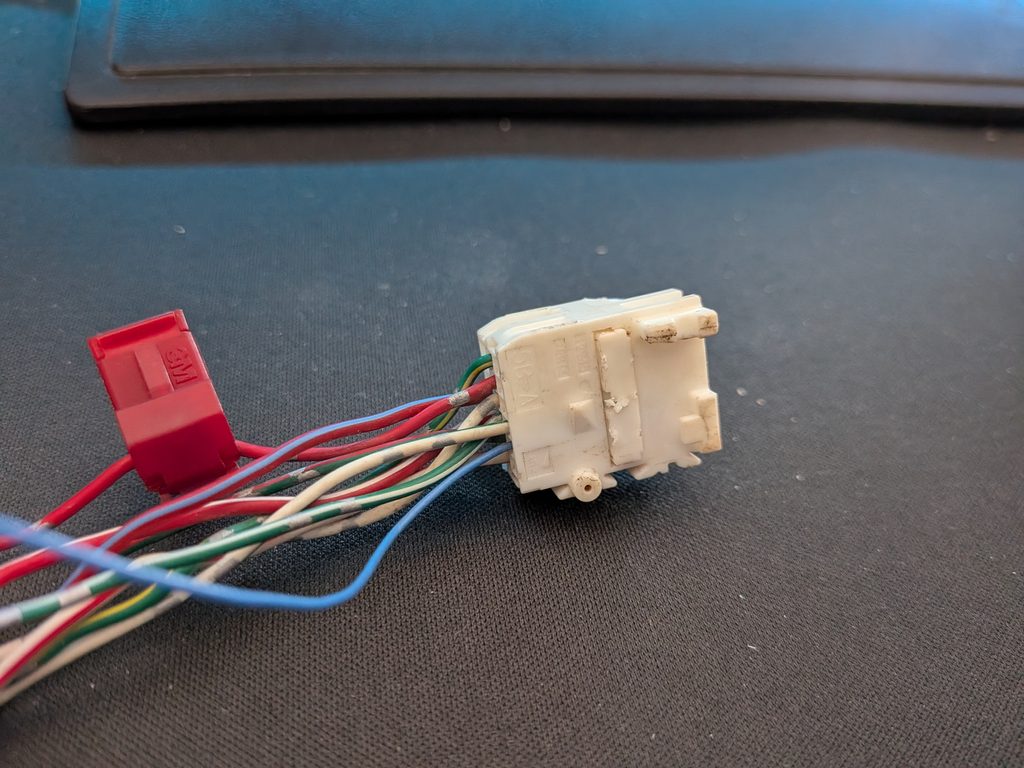
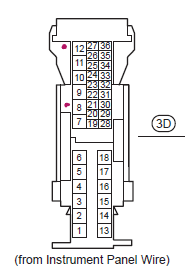
I’ve marked the 3D pins 8 and 12 with black on this ebay module. Simply pop a 5-10A mini ATO fuse into the socket of your choice and the pin will have power. I recommend not using 3C40 as is is a very small terminal and will be power-limited. You could risk burning up your BIM relay plate. 3A5 is perfect for things like underglow and other stuff you want on switched power.
Now to the connector. Yazaki is the devil. Full stop. These connectors are next to impossible to depin. I gave up and ordered a scrap harness from ebay (another $35) before finding out that you can buy pigtails from Toyota – part number 82998-12880. I was in a bit of a hurry so I just cut up the ebay connector to extract a terminal.
How to do that:
First, dismantle the connector. Remove the black (for 3D) locking bridge, and separate any connector sections. You will find that there is a small bar-shaped bit on one side of the connector. You need to pull this out about 1mm. It is the terminal locking bar. The depinning tools I have were not successful in defeating the pin locks. I opted to take a hacksaw to the connector to extract the terminal I wanted.
To repin the terminal in the pin cavity of choice, you will have to remove the locking bridge from the target terminal block and lift the locking bar. Then, insert the terminal until it clicks and replace the locking bridge. Insert the connector block into the BIM and off you go. I’ve marked the two rail power sockets with purple dots here:
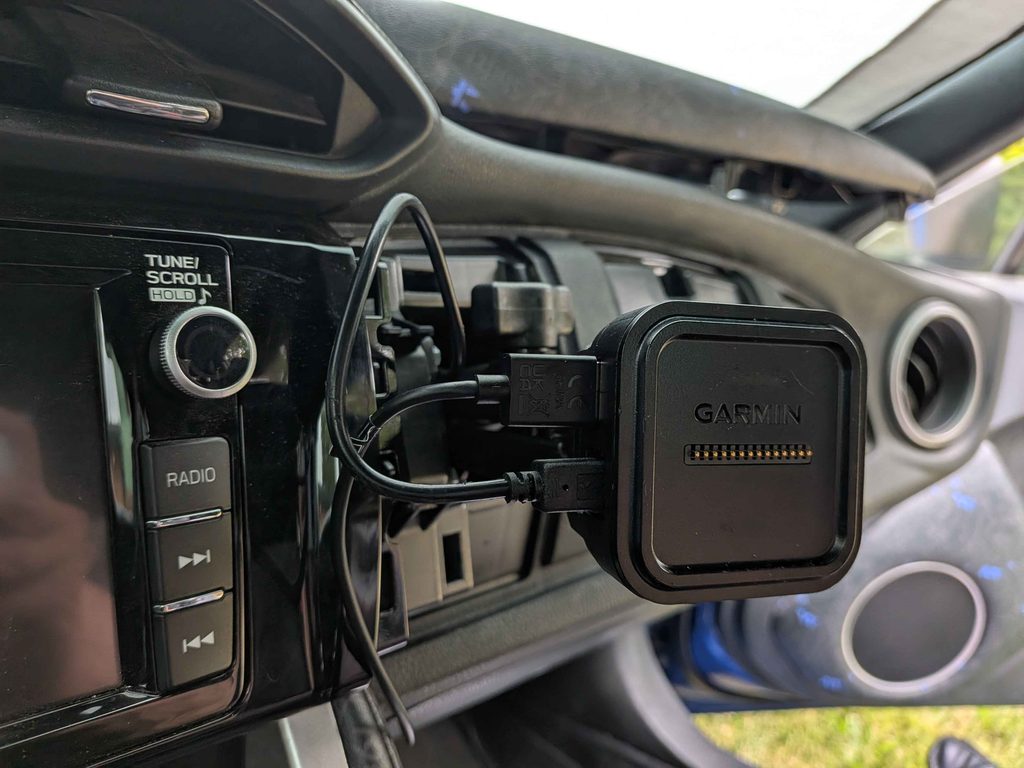
I chose this unit from amazon – Gebildet adapter – as my power source because it came with the stupid mini USB connector that Garmin clings to. I ran the ground to the knee plate bolts under the lower dash cladding and fished the wire back behind the center console to the other side. You can see the coil of wire in the pocked with the RAM ball in the first picture.
You will need a 3″ long arm from RAM to complete the whole setup. I can see that I need to bring the camera wire up through the dash also. It currently lives in the glove box. Not for long….
It works perfectly! Hidden power that is always on and a fully concealed mount. Thanks to 5H1F7Y for sharing their work with me on the mechanical side.
But sometimes, there is something that you know in your heart is really unobtainium. You don’t care, you still keep it there because it keeps the proverbial lights on and shines like the emerald in Pandora’s Box and there is always that little sliver of a tiny possibility that it might really, actually happen.
It’s happening for me.
Stay tuned. My world is upside down in the best way possible. I am literally about to explode.
Missed opportunities. Gotta grab them back and re-roll. Chrysler Marketing has always owned the meta, and that magic needs to come back before the bean counters get their TI85s out.
First. kill the electric Challenger, hide the chassis for a year, and re-introduce it with some body tweaks as the new Javelin. Capitalize on the nostalgia and the whole America fuck yeah thing and just go straight for American Motors. Purveyors of the Mighty 4.0 and the holy AMX. This protects the Challenger brand and opens the door for a new electric brand. It also opens the door to landing a new Eagle, which is the car Americans really want, but can’t figure out how to ask for. Lifted electric AWD wagon. Sounds like a CUV but with a better roofline. And chrome wheel arches. Just like the allroad but like, more original. Sell them at Dodge dealers like AMC sold Renaults.
Second, get the Ramcharger back on track. OMG. This is the biggest miss possible. The mistake is calling it an electric truck. It has to be a truck that happens to be electric. In fact, it has to be a regular truck with a regular engine that you can also plug in. But REGULAR TRUCK has to come first. And it should be available with both a Diesel and gas engine because it’s a damn REGULAR TRUCK first and electric later. What do you mean, range anxiety, how is that even a thing in a REGULAR TRUCK? Just go to the gas station like you do with a REGULAR TRUCK. And where is Xzibit in all of this? I mean, you put a Ramcharger in your Ramcharger so you can ram the charge in while you charge the Ram. Or whatever. Pimp it, doggone it. Did I mention it pulls like a locomotive? Take that, EMD GM.
Third, Hellcat Pacifica. Literally those two words. Hellcat Pacifica. We are waiting.